Located in the heart of the Upper Silesian metropolitan area, Chorzów is a city shaped by dramatic transformation.
Its history stretches from medieval settlement and agriculture to one of Europe’s most important industrial regions. For generations, mining and steel production defined everyday life, employment and local identity. Today, Chorzów is creating a new chapter, combining industrial heritage with culture, recreation and some of the most important green spaces in the region.
The city’s story reflects the wider history of Upper Silesia: a region where industry built communities, but where adaptation became essential as economic conditions changed.
Medieval Origins and Early Development
The first written references connected with the Chorzów area date back to the 12th century, including a mention from 1136.
For centuries, the settlement remained largely rural. Its development was influenced by religious institutions, including the Order of the Holy Sepulchre, which managed land in the area from the 13th century and contributed to agricultural development.
The region’s natural resources later changed its future. From the 16th century onwards, mining activity expanded as deposits of silver, lead and iron ore were exploited in Upper Silesia.
However, it was the discovery of coal that would transform the area permanently.
The Birth of Królewska Huta and Industrial Growth
A turning point came in the late 18th century when coal deposits became central to economic development.
In 1799, construction began on the Królewska Huta (Royal Ironworks) following a decision by the Prussian authorities. The site became one of the most important industrial complexes in Upper Silesia and helped establish the region as a major centre of European metallurgy.
The works introduced advanced technology for its time, including steam-powered equipment and large-scale blast furnace production.
During the 19th century, the industrial landscape expanded rapidly. Coal mines, steelworks and related industries attracted workers from across the region and beyond, leading to significant population growth.
The development of industry shaped not only the economy but also the social identity of Chorzów, creating strong communities built around skilled industrial work.
A City Defined by Steel and Silesian Identity
Throughout the 20th century, the industrial complex remained central to Chorzów’s economy.
After Upper Silesia became part of Poland in 1922, the area experienced further political and economic changes. The Królewska Huta works was renamed Huta Piłsudski in the interwar period before later returning to its former name during German occupation.
After the Second World War, heavy industry became a key part of Poland’s economic strategy. At its height in the 1950s, the steelworks employed thousands of people and played a major role in the lives of local families.
For many residents, the history of Chorzów is closely connected with memories of factory work, industrial neighbourhoods and generations of families employed in Silesian industry.
The Decline of Heavy Industry
Like many industrial cities across Europe, Chorzów faced major economic changes in the second half of the 20th century.
Advances in technology, changing markets and industrial restructuring led to a gradual decline of traditional heavy industry.
Steel production ended at the former Królewska Huta site in 1978. The coke plant closed in 1982, and the final blast furnace ceased operation in 1991.
Today, parts of the former industrial complex continue under modern ownership and focus on selected activities, including rolling production. Other areas have been transformed or given new uses as Chorzów has diversified its economy.
From Industrial Landscape to Green City
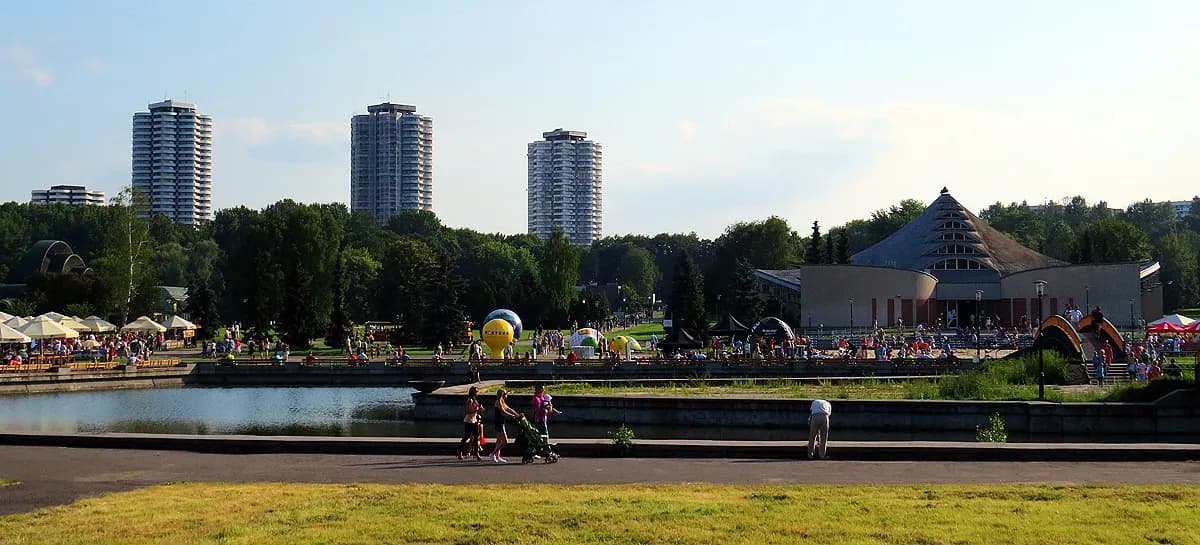
One of Chorzów’s most remarkable transformations is the development of Śląski Park (Silesian Park).
Created from 1950 onwards on former industrial land, the park became one of the largest urban recreational areas in Poland. It represents a major shift in the city’s identity, turning a landscape associated with industry into a place focused on nature, culture and public life.
For residents of Chorzów and the wider Upper Silesian metropolitan area, Śląski Park is more than a tourist attraction. It is a daily space for walking, recreation, family activities and cultural events.
The park demonstrates how post-industrial cities can reuse land to improve quality of life while maintaining connections with their past.
Preserving Chorzów’s Industrial Heritage
Although the factories that once dominated the city have changed, Chorzów continues to protect its industrial memory.
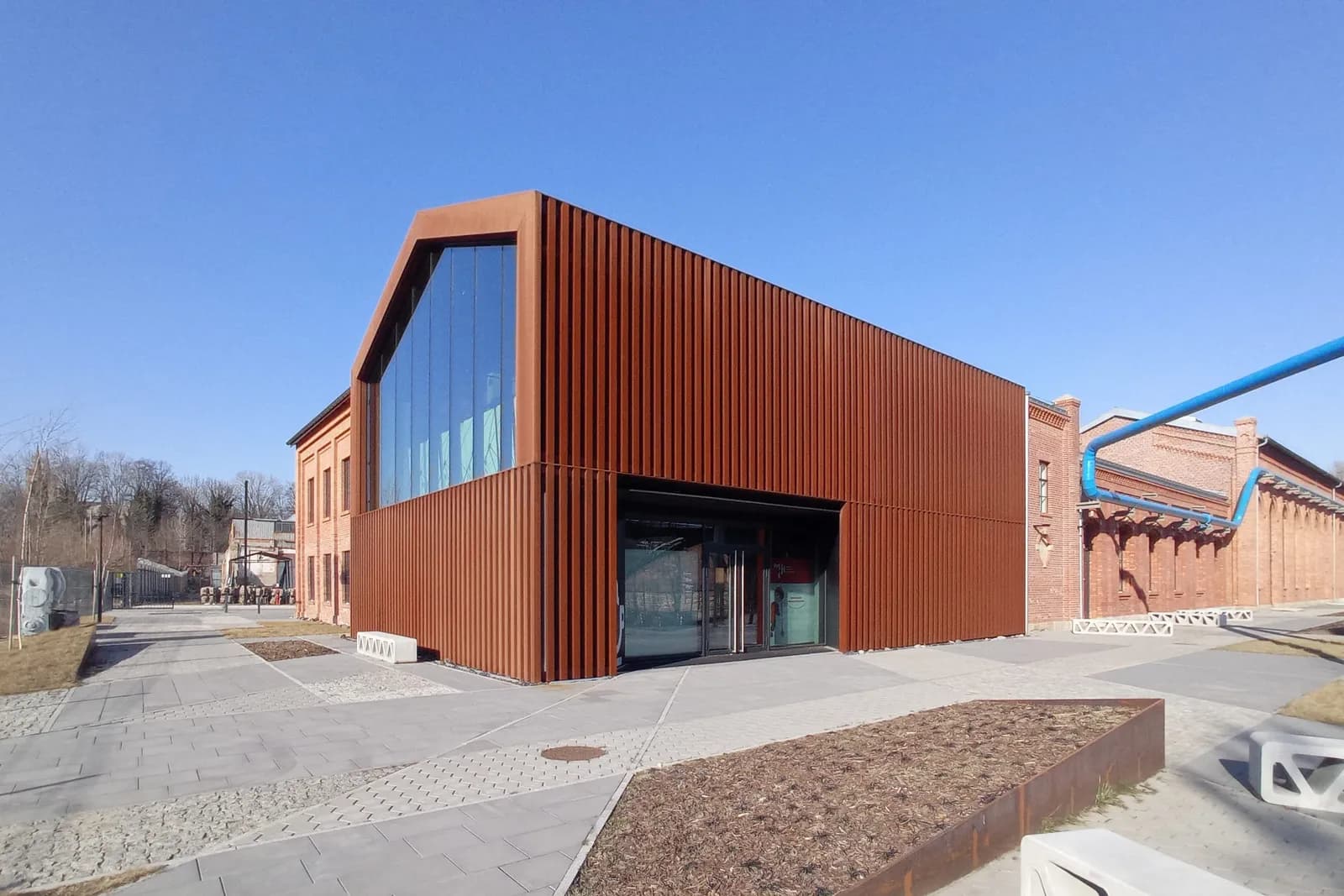
The Museum of Metallurgy in Chorzów, located in a former power plant building, presents the history of the city’s industrial development. Its exhibition The Iron Kingdom explores the legacy of Królewska Huta and the people who built Upper Silesia’s industrial strength.
Such institutions play an important role in ensuring that younger generations understand how industry shaped local communities.
Chorzów Today: A City Reinventing Itself
Modern Chorzów combines industrial heritage with new economic and cultural opportunities.
The city remains an important part of the Upper Silesian metropolitan area while developing services, retail, recreation and cultural activities.
Its identity is no longer defined only by factories and coal. Instead, Chorzów represents a balance between remembering its industrial past and creating a more diverse future.
Chorzów’s history is a story of reinvention. From a medieval settlement to an industrial powerhouse and now a city known for its green spaces and cultural heritage, it reflects the wider transformation of Upper Silesia.
The legacy of Królewska Huta, the memories of generations of industrial workers and the success of places like Śląski Park all show how communities can adapt while preserving the stories that shaped them.